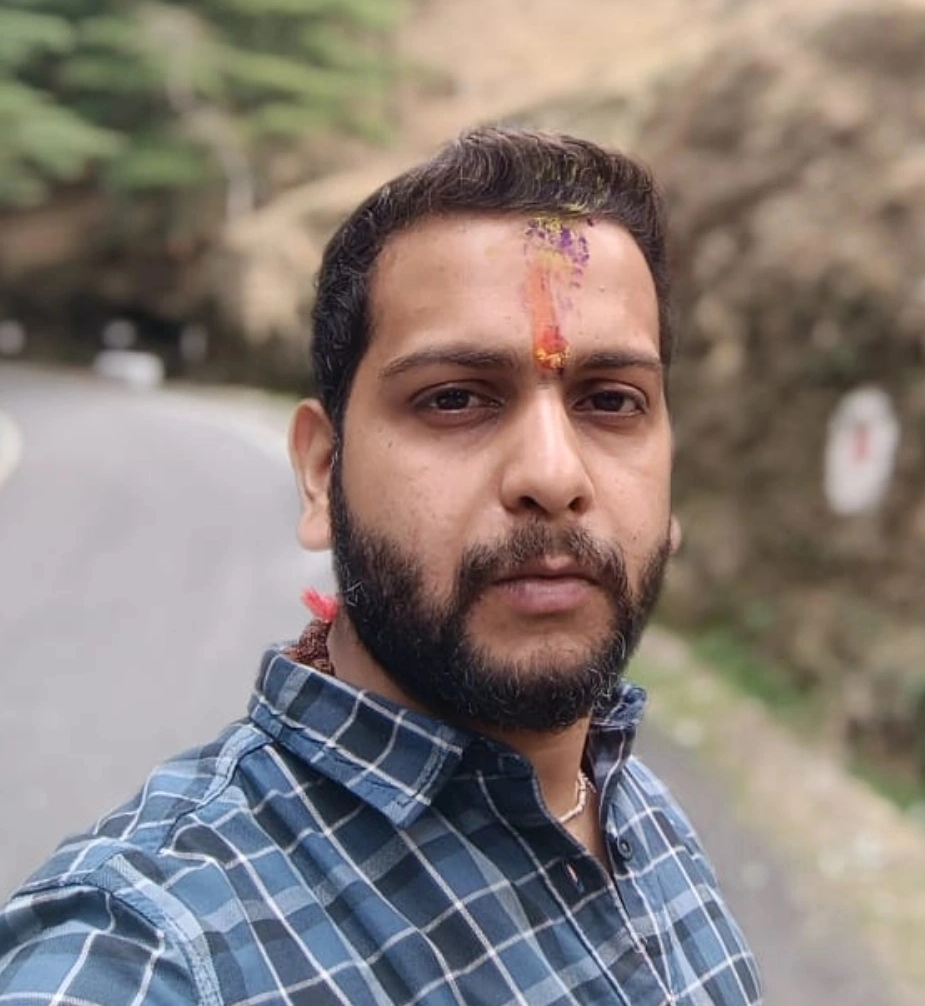
An observer who never fully belonged to conventional human thinking.
Shaunak Bajpai writes from the perspective of someone who spent years watching human beings chase success while silently drifting away from themselves.
Not as a guru. Not as a perfect man. But as someone who lived through fragmentation, pressure, heartbreak, ambition, collapse, spiritual searching, and ultimately a deeper awakening about what human life is truly meant to become.
AWAKEN emerged from that journey not as theory, but as lived experience transformed into a map for others.
A childhood shaped by movement, observation, and difference.
Born on 29 March 1991 in Sitapur, Uttar Pradesh, Shaunak grew up across multiple Indian cities including Kanpur, Aligarh, Pilibhit, and Lucknow as his father served in government service.
Constant movement exposed him to different people, emotional realities, belief systems, ambitions, and contradictions from an early age. It quietly trained him to observe human patterns instead of simply participating in them.
His name itself carries meaning. “Shaunak” derives from an ancient sage mentioned in the Shiv Puran, a name chosen intentionally by his grandfather, carrying the idea of wisdom, inquiry, and reflection.
Even early in life, he often felt psychologically different from the systems around him deeply questioning the definitions of success, identity, happiness, and modern achievement that most people accepted without examination.
The moments that broke the old identity apart.
The Heartbreak
A profound romantic loss became more than emotional pain. It became an existential rupture.
Something inside him broke open. Questions emerged that career success, ambition, and external achievement could no longer silence.
What truly matters in life? Why do humans suffer even after achieving what they once wanted? Why does love expose hidden parts of identity more powerfully than success ever can?
Legal Battle & Spiritual Awakening
A prolonged legal dispute forced him inward in ways nothing else had before.
During this period, mantra chanting stopped being ritual and became lived experience. Ancient temples across India became spaces of direct inner confrontation rather than symbolic spirituality.
A visit to Neemkaroli Baba’s Kainchi Dham Ashram in Uttarakhand became one of the defining turning points of this transformation.
What emerged was not blind belief but a growing experience of the divine as something alive, intelligent, and deeply present inside human crisis itself.